

AGENCY: U.S. Department Veterans Affairs
LOCATION: Chattanooga, Tennessee
SIZE: $2,498,779
PRIME: AACON General Contractors
AWARD DATE: December 2019
COMPLETION: December 2020
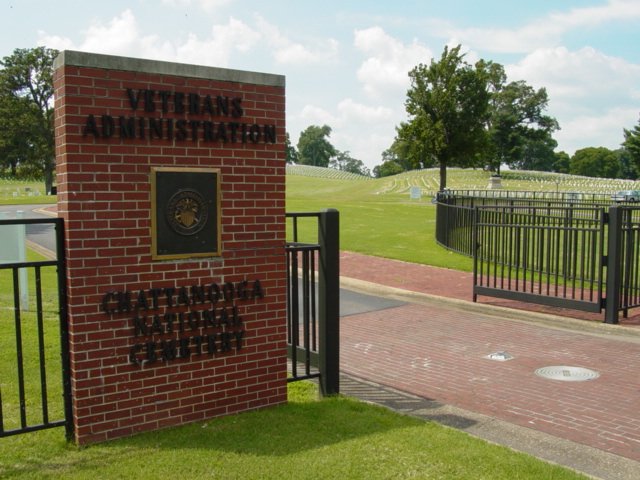
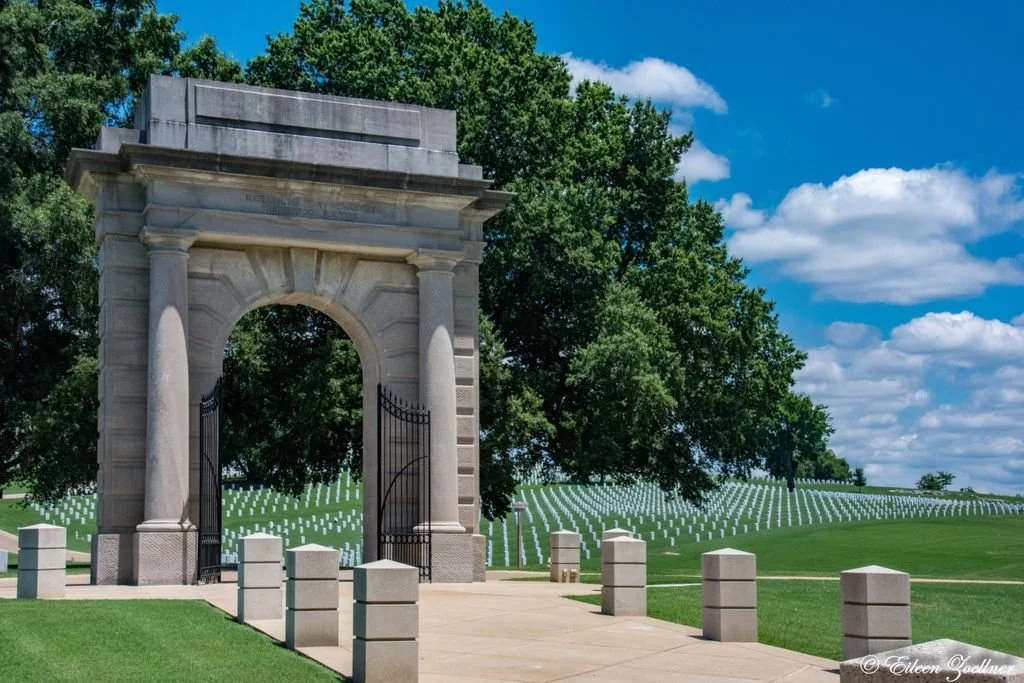
In December of 2019, AACON was awarded the Renovate Chattanooga National Cemetery Facility located at 1200 Bailey Ave, Chattanooga, Tennessee with construction supervised by the Veterans Administration branch in Washington DC.
The Chattanooga National Cemetery and the Department of Defense DOD is responsible for providing military funeral honors. The DOD program, Honoring Those Who Served, calls for funeral directors to request military funeral honors on behalf of the veteran’s family. The active-duty branch of service that the veteran served will send a minimum of two representatives to fold and present the flag. Volunteer veterans’ organizations may assist in the provision of military funeral honors
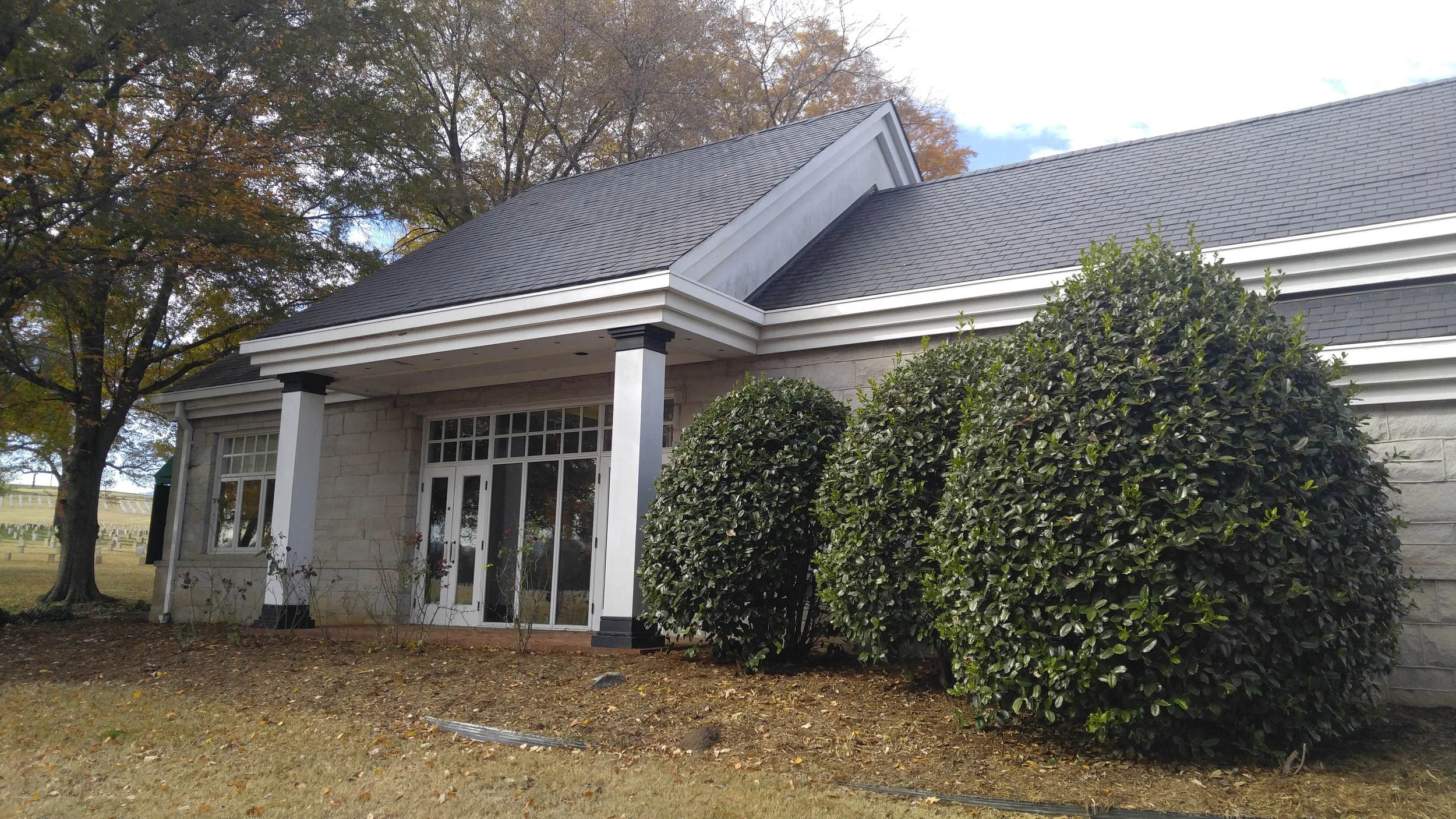
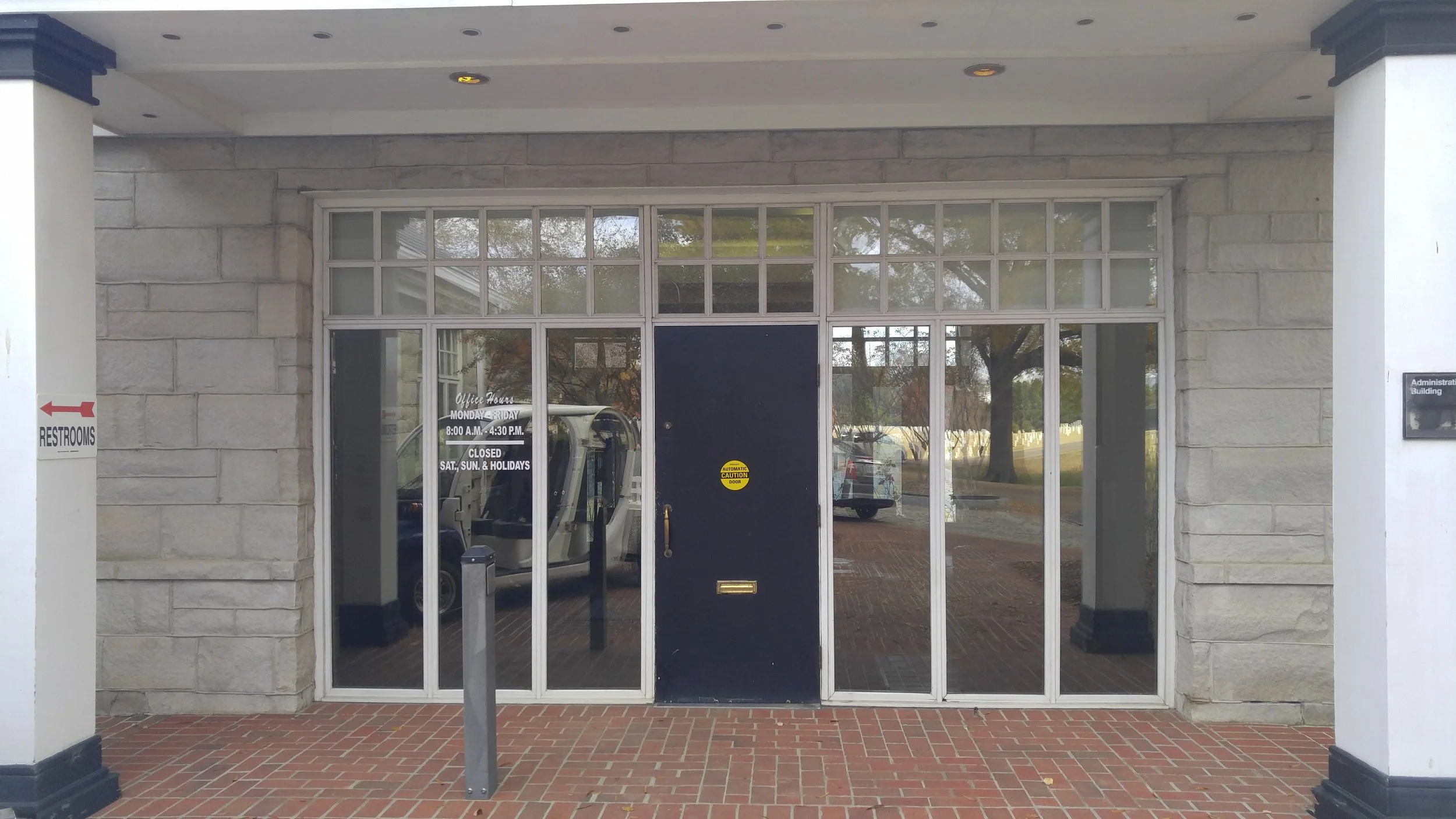
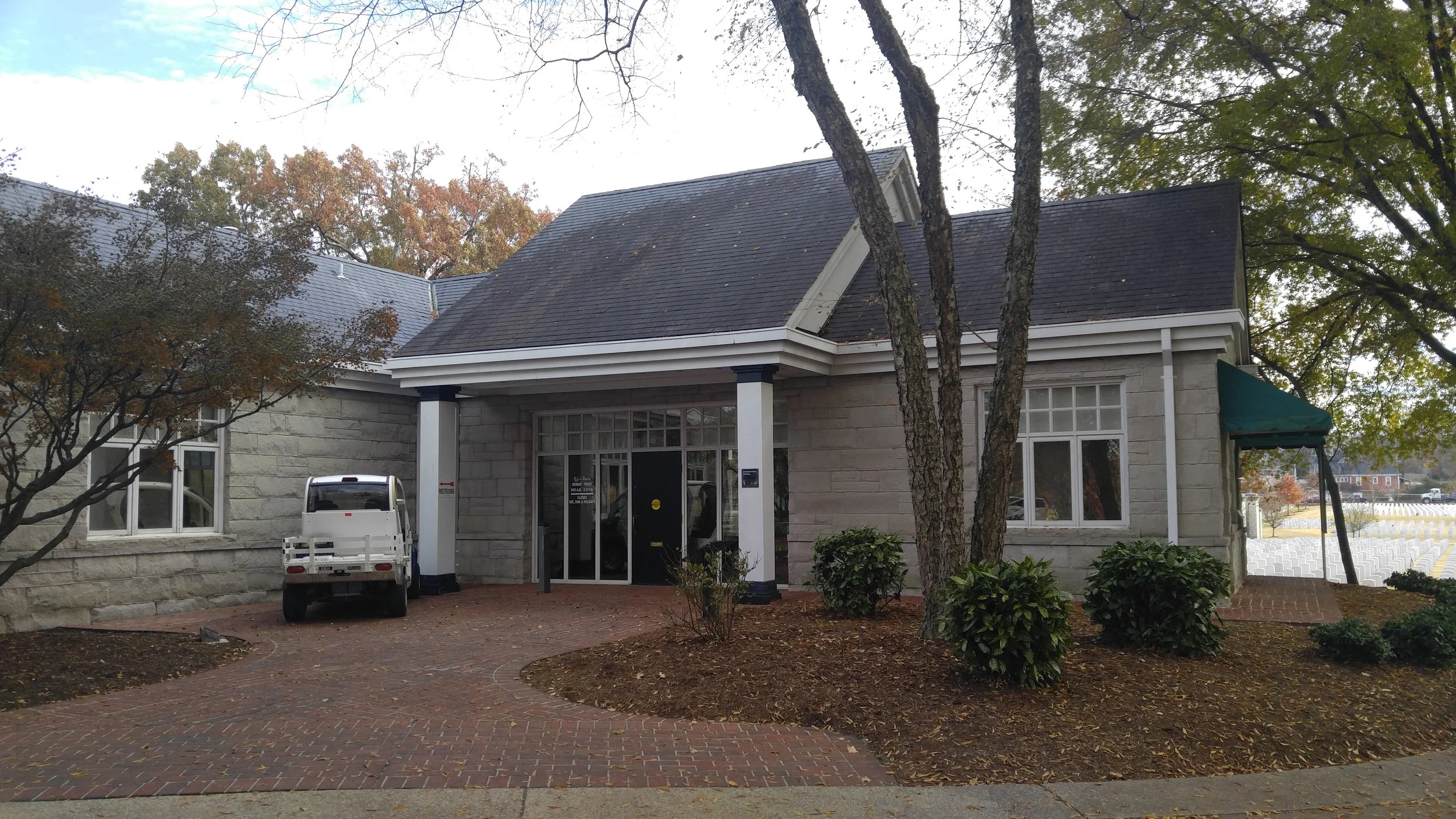
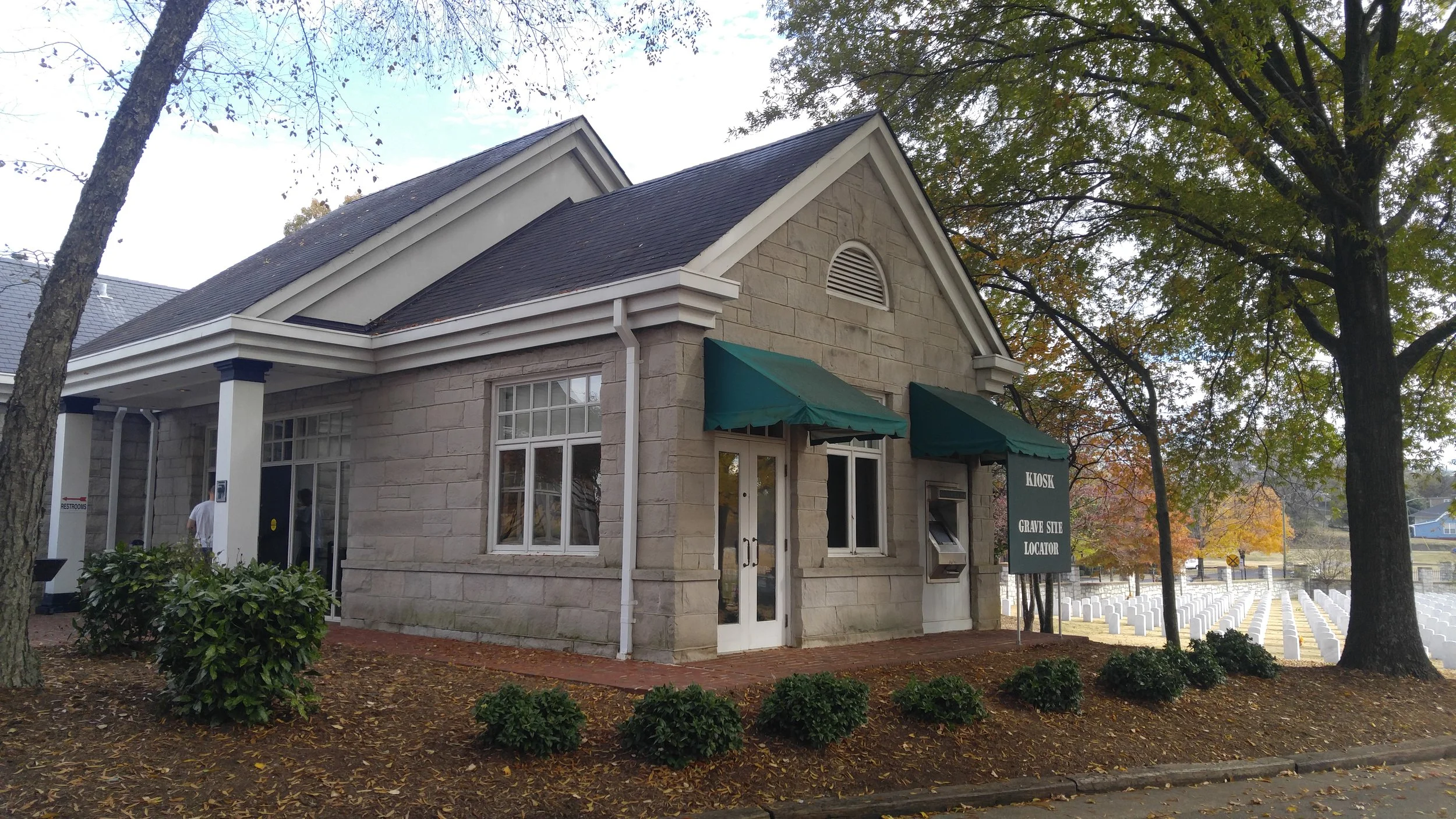
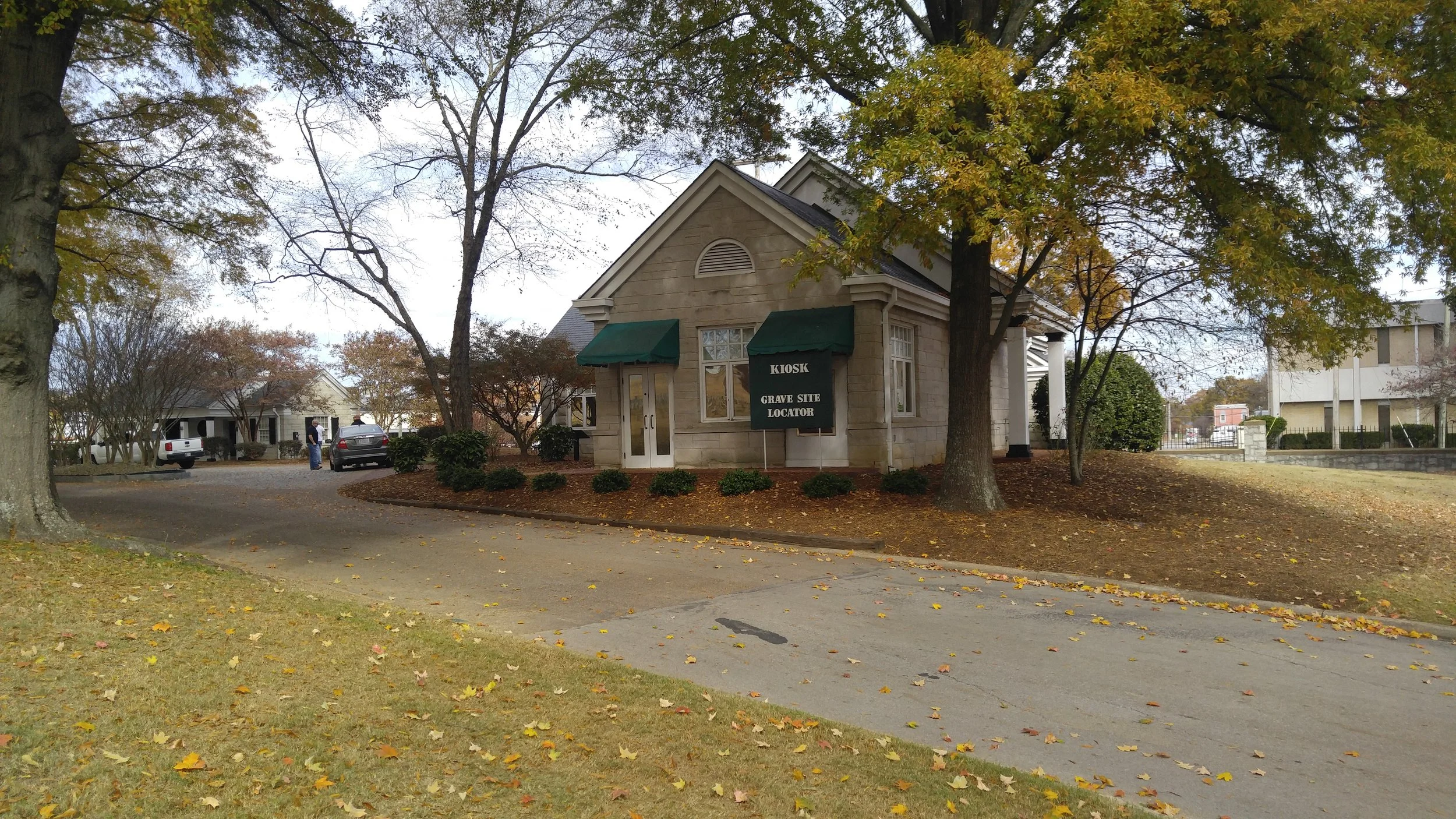
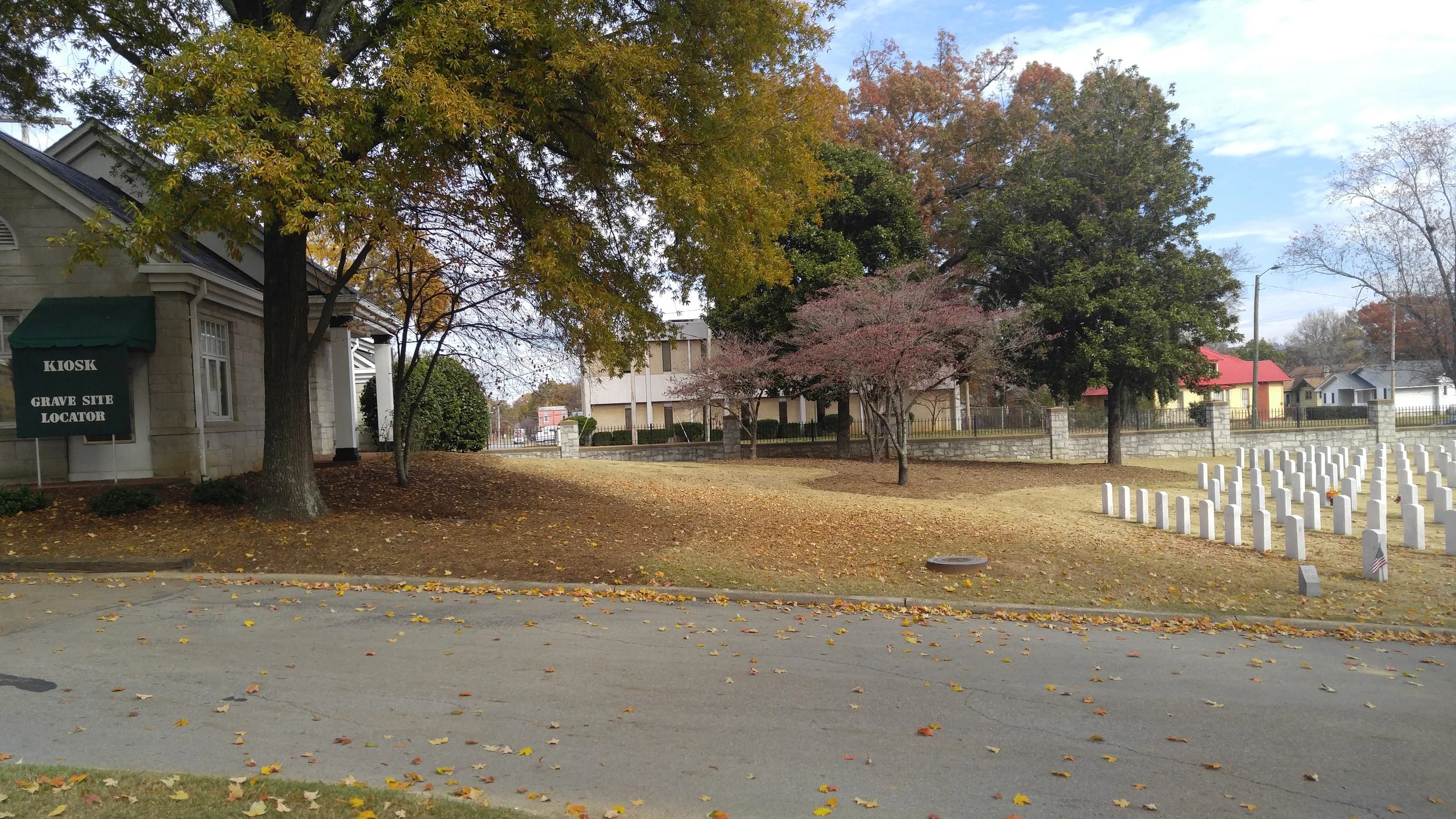
Overview: The VA CNC Project consisted of the renovation of the Main Administrative Facility, Guest Restrooms, and Maintenance Facility. The project consisted of the demolition of existing interior infrastructure, partition assemblies, and finishes, interior mechanical, electrical, and plumbing infrastructure. The fire alarm/mass notification system, surveillance system, and telecommunications system were removed. In addition, existing roof systems were removed and replaced, and a new front entrance Portico with added stonework was installed. Closing out the project, AACON installed new signage throughout the cemetery, relocated the burial kiosk system, and restored the surrounding landscaping.
The maintenance building underwent a comprehensive demolition process, which included the removal of locker room finishes, walls, ceilings, windows, entrances, roofing, mechanical systems, and plumbing. The demolished materials were sorted and either scrapped, salvaged, or disposed of in trash receptacles before being removed from the project site. Following the demolition, the interior infrastructure was constructed and installed. This process involved trenching and roughing in plumbing, electrical, and HVAC systems after the entire locker area floor had been demolished. A new pitched floor was then poured according to specifications, and the plumbing rough-in was completed. Masonry walls were constructed, and the interior finishes for the locker room and break room were completed, including the installation of all floor and wall tiles, ceiling systems, HVAC, plumbing fixtures, and electrical finishes, as well as the replacement of overhead doors, roofing shingles, gutters, and downspouts.
In the administrative building, similar demolition activities took place, involving the removal of room finishes, walls, floors, ceilings, windows, entrances, roofing, mechanical systems, and plumbing. The demolished materials were sorted and removed from the site. The front and rear entrances, along with all windows, were removed and the building was secured until new windows and entrance sets could be installed. The admin interior infrastructure was then constructed and installed, including cutting the floor to replace the sanitary main, roughing in plumbing, pouring concrete floor infill as needed, and roughing in electric, HVAC, walls, and door frames. As interior finishes were applied, exterior improvements were made, including the installation of a new De Vinci Faux Slate Roof, replacement of architectural windows and storefronts, relocation of existing doors, and patching of masonry veneer.
The guest restroom facilities also underwent demolition of all finishes, including plumbing fixtures, dividers, ceilings, wall and floor tiles, windows, doors, and roofing. Subsequently, plumbing, electric, and HVAC systems were roughed in. Walls were patched, ceilings hung, and wall and floor tiles installed.
For the exterior work, a new parking area was created in front of the admin and restroom buildings. Additionally, a wash-down pad with oil and grit separators was constructed, enhancing the functionality and accessibility of the exterior spaces.
Challenges Encountered and Resolutions Employed: Before construction activities, AACON had to set up a temporary operations facility for the occupants of the existing facility to continue day-to-day operations throughout the life cycle of the contract. After coordination with VA CNC and Maintenance personnel, a location was selected. The temporary facility was delivered, installed, and upgraded with a user-specific telecommunications package. Upon completion, the VA CNC relocated its personnel and AACON was released to commence with activities related to physical construction.
The Veterans Affairs Chattanooga Cemetery project experienced a significant delay of over five months due to the COVID-19 pandemic. This global health crisis impacted construction timelines worldwide, and this project was no exception. The pandemic led to disruptions in supply chains, labor shortages, and the implementation of health and safety protocols, all of which contributed to the extended timeline.
Further complicating the project’s progress, seven different change orders were issued. These changes were necessitated by unforeseen design errors and issues within the design drawings provided to AACON by the Veterans Affairs (VA). The discrepancies between the planned designs and their practical application on the construction site required immediate attention and resolution to ensure the project met the necessary specifications and standards.
These change orders, while essential for maintaining the integrity and functionality of the final construction, introduced additional delays and required reevaluation of materials, manpower, and timelines. Each change order had to be carefully assessed to determine its impact on the overall project scope, budget, and completion date.
